August 28, 2026
What small businesses actually need from AI
Most small businesses do not need an AI strategy. They need fewer broken handoffs, clearer drafts, and systems that reduce repetitive work.
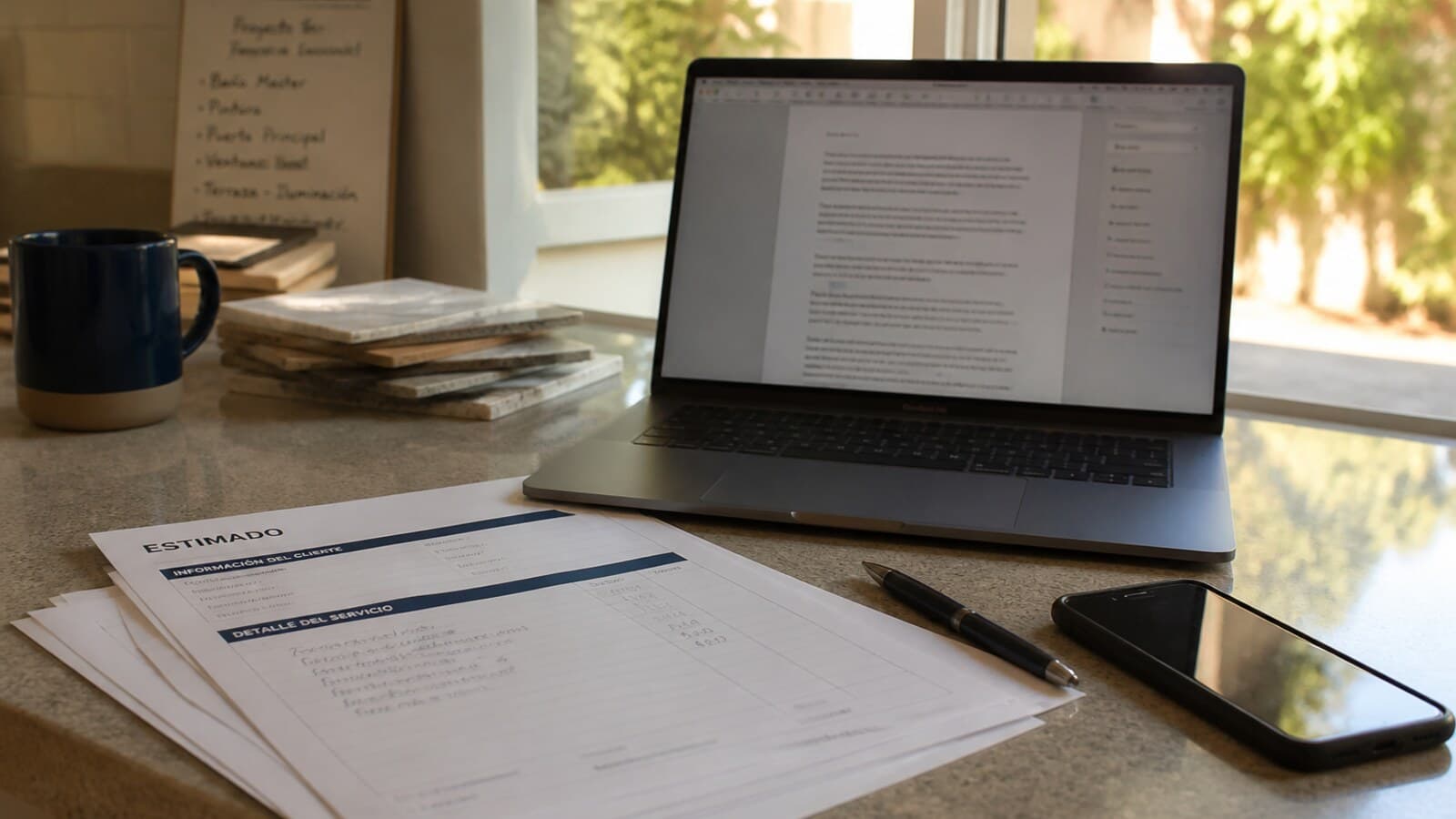
Small businesses are not waiting for artificial general intelligence.
They are waiting for the estimate to go out.
For the follow-up to happen.
For the document to stop living in five places.
For someone to turn a messy conversation into a clean next step.
That is where AI becomes useful.
AI as operational leverage, not spectacle
The most valuable AI work I see is not a chatbot on a homepage.
It is assistance inside workflows:
- drafting messages that still need human judgment
- turning rough notes into structured documents
- summarizing what happened so the next person is not lost
- reducing the time between “we need this” and “it exists”
AI should remove friction. If it creates another dashboard nobody opens, it failed.
Start with the boring problem
Before asking “how do we add AI?”, ask:
- What work is repetitive?
- What work depends on one person’s memory?
- What work gets delayed because writing takes too long?
- What work breaks when information is incomplete?
Those answers usually point to a better insertion point than a generic AI feature.
Keep the human in the decision loop
For service businesses especially, trust matters.
AI can prepare.
People should decide.
That balance—assistance without surrendering judgment—is the difference between a useful system and a noisy one.
Useful beats fashionable
I am interested in AI only when it earns its place inside operations.
If it helps a business move faster with more clarity, it belongs.
If it exists only to say the product is “AI-powered,” it does not.